
Invaluable Documentation of History in Transition
The City Palace Museum, Udaipur has conserved 30000 photographs that in addition to documenting the lives of the successive Maharanas, their guests, ceremonies, and of life in the palace and outside – tare also a reflection of how photography as an art emerged in India, the changes in technology, equipment and the approach of the photographers of yore – in short an invaluable documentation of photographic history in transition.
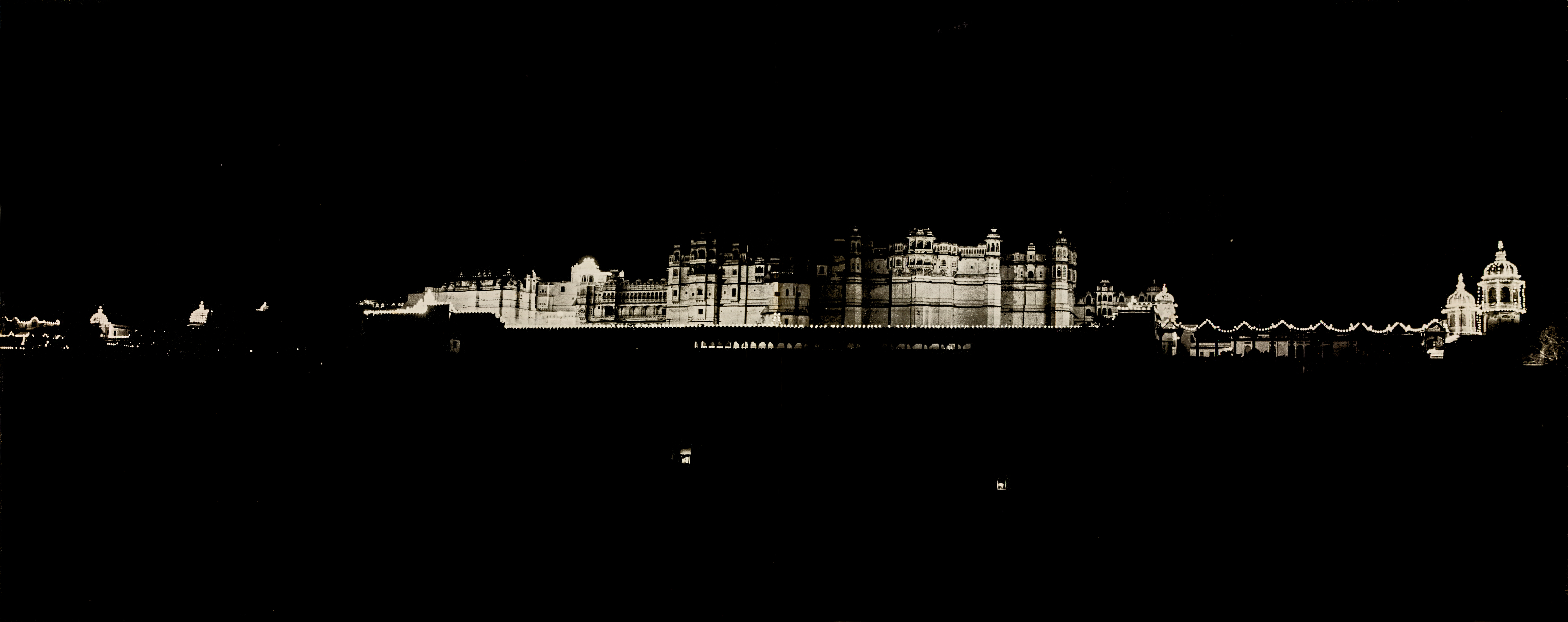
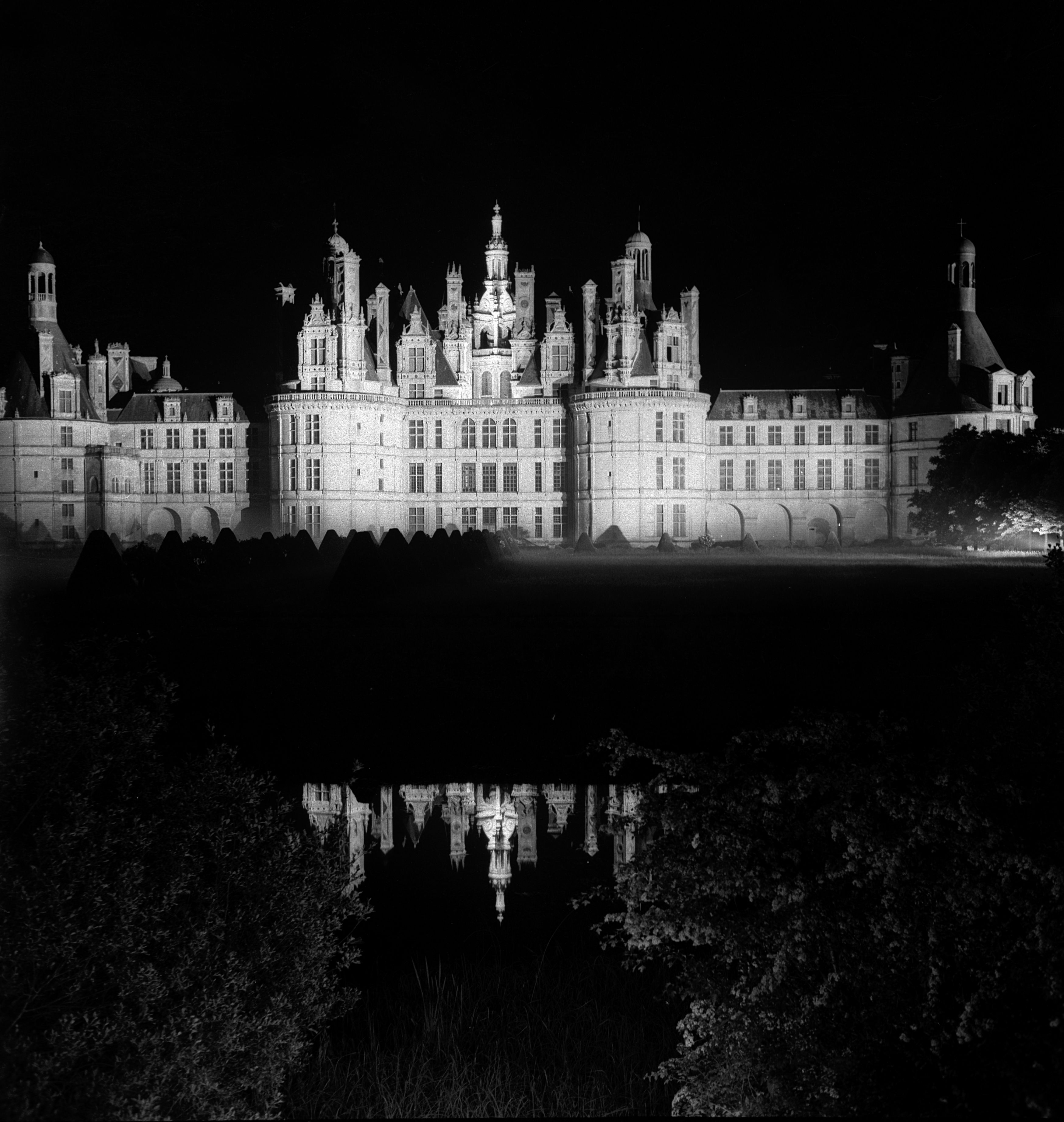
It was in October, 2022 when the historic French chateaux - Château de Chambord in association with the City Palace, Udaipur put together an exhibition of 150 previously unpublished photos drawn from the individual repositories of Domaine National de Chambord and The City Palace Museum (Maharana Mewar Research Institute), Udaipur. As the exhibition reaches its fag end, a look back reveals the historic value of this landmark photographic collection.
‘Vie(s) de château’ - A Tale of Two Palaces’ makes for a spectacular pictorial dialogue given the similarities and contrasts between Domaine National de Chambord and the City Palace Museum in Udaipur. The uniqueness of the show is that the photographs clicked between 1860 and 1970 segregated by their themes and classified separately-History and memories; Architecture; Snapshots of life and Past hunting, retrace the photographic evolution, courtesy Chambord and Maharana of Mewar Charitable Foundation (MMCF), Udaipur. The chateau and the City palace Museum enjoy the distinction of pioneering and establishing ‘royal’ photographic benchmarks.
It is almost like one is in a time machine when going through the exhibits that give peep into the distant past with the themes that have been pieced together. They give glimpses of the lifestyle of the royals and their subjects, of the plant and animal life (not to forget hunting as their favourite pastime), architectural marvels (some of which seem to have stood the test of time and vagaries of nature), local surroundings and livelihoods.
These photographs serve not only the academic interest of the present-day photographers, historians, research scholars, students but appeal to all those, who crave for creativity of the sublime order that is captured on camera.
Amongst the photographs on display as part of the exhibition are ‘Snapshots of life’ that has 16 photos of Udaipur. They showcase life in the surrounding areas, especially the enthusiastic participation of people in rituals with song and dance renditions.
In the ‘Past Hunting’ category, although photos depict hunting of animals in Sologne and Mewar, the ones that catch the eye for their striking off-beat contrast are those that revolve around the manner the expedition was getting prepared, the journey, the royal hunting bags and other paraphernalia with the people being the subjects.
Photographs commemorating the visits of India’s first president Dr. Rajendra Prasad (around 1951), Queen Elizabeth, the Second (1961) and Roger Moore, who was in town for the James Bond film ‘Octopus’ in 1982, stand out for their historical milestones.
On the Indian side, the camera caught the fancy of the Mewar rulers to such lofty levels that they made optimal use of this unique discovery. The Mewar sovereigns, who have always been art connoisseurs and Sisodia atelier that boasts of exquisite paintings that not just showcase the artistic brilliance but are historical treatises - began to actively employ this new discovery. Photographers were commissioned to document the palace life, royal members, darbar sessions, the people, forest lands, buildings and the landscape.
In 1818 Udaipur was one of the first places in the world where the camera obscura (dark chamber) appeared.
To the layman names of the photographers may remain unknown but those in the profession, and historians specializing the subject, would have come across names of the photographers of that era, some of whom have become legends for their creative ingenuity, which helped them click pictures that appear like real-life portrayals even centuries later. Colonel James Tod, a British consular diplomat in Udaipur, produced the very first photographic images in Mewar.
Some prominent royal photographers from the collection include Mohanlal, Seth Kanak Mal, Bourne & Shepherd, Johnston & Hoffman, Waswo X, Rajesh Soni, Parasur (Ajmer and Kishangarh) and Goverdhan Lal, KL Syed & Co, SH Meer Sahib to name a few.
Photography collection of The City Palace Museum, Udaipur is a reflection of how photography as an art emerged in India, the changes in technology, equipment and the approach of the photographers of yore – in short an invaluable documentation of history in transition.
“Photography went on to acquire great popularity throughout India in the 1840s, documenting not only the life of the royal family and its court, but also that of the various local communities…As a result, the Udaipur collection now counts more than 30,000 photographs, which makes it one of the largest in the country” – extracted from the exhibition catalogue ‘Vie(s) de château’ - A Tale of Two Palaces’.
Sources
From the MediaFx archive.